
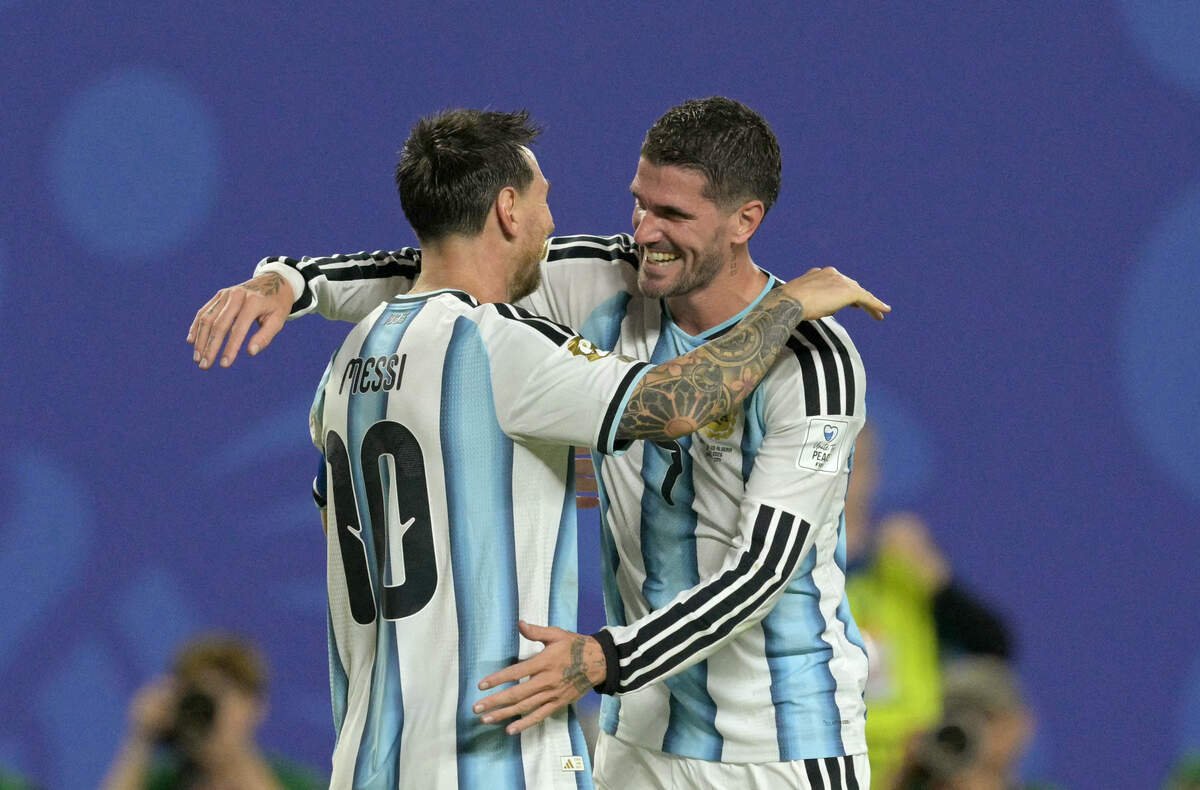
As the 2026 FIFA World Cup reaches its final stages, defending champions Argentina have become one of the tournament’s biggest talking points. Beyond their performances on the field, debates over refereeing, VAR decisions, rivalry politics, race, and Lionel Messi’s legacy have fueled intense discussion worldwide.
Some criticisms are based on legitimate questions. Others are driven by emotion, rivalry, or social media speculation. This article examines the major narratives surrounding Argentina while distinguishing verified facts from opinion.
Favoritism Allegations: Perception vs. Evidence
One of the tournament’s biggest controversies has been the claim that FIFA and match officials have favored Argentina. These accusations gained momentum after several controversial refereeing decisions and quickly spread across social media.
Argentina’s Round of 16 victory over Egypt became a focal point. Egypt questioned several officiating decisions, including a disallowed goal after a VAR review and penalty appeals that were not awarded. Such moments naturally generated frustration and renewed accusations of bias.
However, controversial decisions alone do not prove favoritism. Most disputed VAR calls were consistent with the Laws of the Game, even if many fans disagreed with them. While perceptions of unequal treatment have grown, no credible evidence has demonstrated systematic bias in Argentina’s favor.
Football has always produced controversial officiating decisions. The difference today is that every incident is replayed, analyzed, and debated instantly across the world.
VAR: Improving Accuracy, Not Eliminating Debate
Video Assistant Referee (VAR) continues to divide football fans.
Supporters argue that the technology corrects clear mistakes and improves fairness. Critics believe it interrupts the rhythm of matches and still produces inconsistent decisions.
The 2026 World Cup introduced expanded VAR procedures, helping officials review more situations while also creating fresh controversies. As in previous tournaments, some decisions have been praised while others have been heavily criticized.
The reality lies somewhere in between. VAR has improved decision-making, but it has not—and likely never will—remove all controversy from football.
Brazil and Argentina: A Rivalry Beyond Football
Much of the criticism directed at Argentina has come from Brazil, their greatest football rival.
Following Brazil’s elimination, many supporters argued that Argentina enjoyed a more favorable path through the knockout stage. Similar complaints have appeared in previous tournaments whenever one rival progresses further than the other.
The rivalry between Brazil and Argentina extends far beyond football. It reflects decades of sporting competition, national pride, and cultural identity. Strong opinions from both fan bases are therefore expected whenever the two countries compete for football’s biggest prize.
Race and Representation in Argentine Football
Questions about the limited presence of Black players on Argentina’s national team have resurfaced during the tournament.
Today’s Argentina has a relatively small Afro-descendant population—less than 1% of its total population—which partly explains the national team’s demographic makeup.
Historically, however, Argentina had a much larger Black population. During the colonial period and early nineteenth century, Afro-Argentines represented a significant share of the population. Over time, wars, epidemics, migration, and large-scale European immigration dramatically changed the country’s demographics.
Argentina has also had Black players represent the national team, including Alejandro Nicolás de los Santos in the 1920s and Héctor “Chocolate” Baley, a member of the 1978 World Cup-winning squad.
The issue is therefore more complex than simply labeling the national team as inclusive or discriminatory. It reflects a long and often overlooked chapter of Argentine history.
Lionel Messi’s Legacy
Few athletes have inspired as much debate as Lionel Messi.
After winning the 2022 World Cup, many observers considered his place among football’s greatest players secure. His continued excellence at the 2026 tournament has only strengthened that view.
Across his career, Messi has accumulated an extraordinary collection of individual awards and team trophies while maintaining elite performances for nearly two decades.
The “Greatest of All Time” debate will always remain subjective, with fans naturally comparing Messi to legends from different generations. What is difficult to dispute is his extraordinary consistency, longevity, and influence on the game.
Can Argentina Win Another World Cup?
Argentina now stands within reach of another World Cup title.
Winning the tournament would secure a fourth championship and place the country among the most successful national teams in football history. It would also make Argentina the first nation in more than sixty years to win consecutive World Cups.
Their remaining opponents present enormous challenges, but Argentina has repeatedly demonstrated resilience throughout the tournament. Rather than overwhelming opponents with dominance, they have consistently found ways to survive difficult matches.
In knockout football, resilience can be just as valuable as brilliance.
Argentina’s journey through the 2026 World Cup has generated admiration, criticism, and endless debate.
Claims of favoritism continue to circulate, but they remain unproven. VAR has improved officiating while creating new controversies of its own. Brazil’s criticism reflects one of football’s oldest rivalries. Discussions about race require historical context rather than simplistic conclusions. Meanwhile, Lionel Messi continues to strengthen one of the greatest careers the sport has ever witnessed.
Whether Argentina ultimately lifts the trophy or falls short, this World Cup will be remembered not only for the football itself, but also for the conversations it inspired around fairness, history, rivalry, and greatness.
Moise Garçon
Senior journalist & commentator