
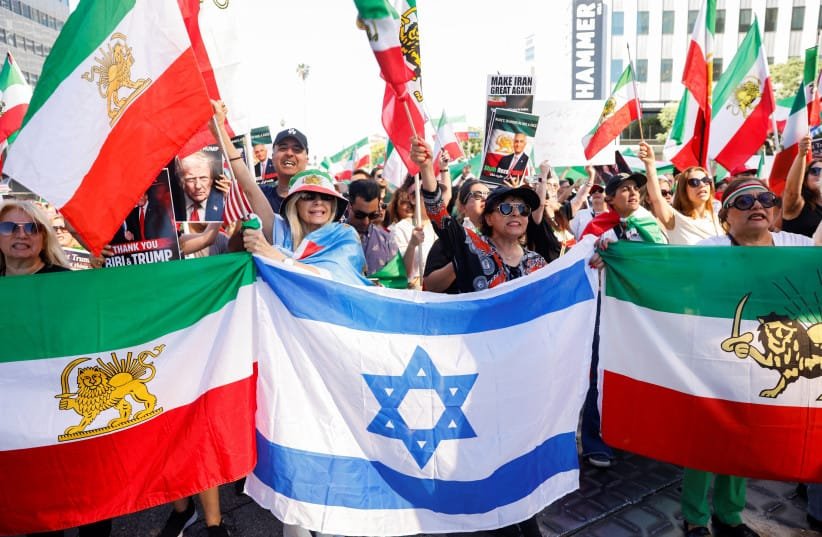
The geopolitical landscape of the Middle East shifted seismically on Saturday as the United States and Israel launched “major combat operations” against Iran, resulting in the death of Supreme Leader Ayatollah Ali Khamenei . The 86-year-old cleric, who had led Iran since 1989, was killed in the opening salvo of a coordinated campaign that Iranian state media confirmed as “martyrdom” . President Donald Trump announced the killing on Truth Social, declaring Khamenei “one of the most evil people in History” and framing the operation as the beginning of the end for the Islamic Republic.
The strikes, involving some 200 Israeli fighter jets alongside U.S. assets, targeted leadership compounds, missile infrastructure, and defense systems across at least 24 of Iran’s 31 provinces . Initial reports from the Iranian Red Crescent indicate at least 201 dead and more than 700 wounded, including a devastating strike on a girls’ school in southern Iran that may have killed up to 160 people .
Iran’s Retaliation and Regional Fallout
Tehran responded swiftly, launching missile and drone attacks against 14 U.S. military bases across the Gulf region, including facilities in Bahrain—home to the U.S. Fifth Fleet—Qatar, Kuwait, and the UAE . The Revolutionary Guards also announced the closure of the Strait of Hormuz, through which 20 percent of the world’s oil passes, sending potential shockwaves through global energy markets . Casualties have been reported across multiple Gulf states, with three Kuwaiti service members injured and fatalities in both Tel Aviv and Abu Dhabi.
The World Responds
International reaction has been sharply divided. Russia condemned the strikes as “a premeditated and unprovoked act of armed aggression” violating international law, while China expressed concern and called for an immediate return to dialogue . European leaders, including those from France, Germany, and Britain, distanced themselves from the operation, urging restraint and emphasizing they did not participate . UN Secretary-General Antonio Guterres warned that the escalation “undermine[s] international peace and security,” calling for an immediate cessation of hostilities .
Across the Middle East, reactions reflect deep anxiety. Oman, which had been mediating recent U.S.-Iran negotiations, expressed dismay that “active and serious negotiations have yet again been undermined” . Saudi Arabia condemned Iranian strikes on Gulf states while carefully navigating its position . The Arab League warned of “immense danger” and called for de-escalation .
Duration and Consequences
How long will this war last? Experts suggest the active combat phase could stretch weeks or months, depending on Iranian resistance and U.S. objectives . Israeli Prime Minister Benjamin Netanyahu vowed operations would continue “as long as necessary,” while Trump promised “heavy and pinpoint bombing” throughout the week and beyond . Unlike the 12-day conflict last June, this campaign appears designed for regime change rather than limited strikes .
The consequences are already cascading: airspace closures across the region, major airlines canceling flights, and oil markets bracing for potential spikes to $100 or even $300 per barrel if the Strait of Hormuz remains closed . More profoundly, as Sky News analyst Deborah Haynes observes, the unilateral use of force without congressional or international approval “sets a dangerous precedent… which could make the whole planet a lot less safe” .
With Iran declaring 40 days of national mourning and vowing “hard, decisive” punishment, and with succession procedures now activated under Article 111 of Iran’s Constitution, the region faces an uncertain and volatile future . The only certainty is that the Tehran thunderclap will echo for years to come.
Moise Garçon
Transparans Executive Manager & Senior Journalist