
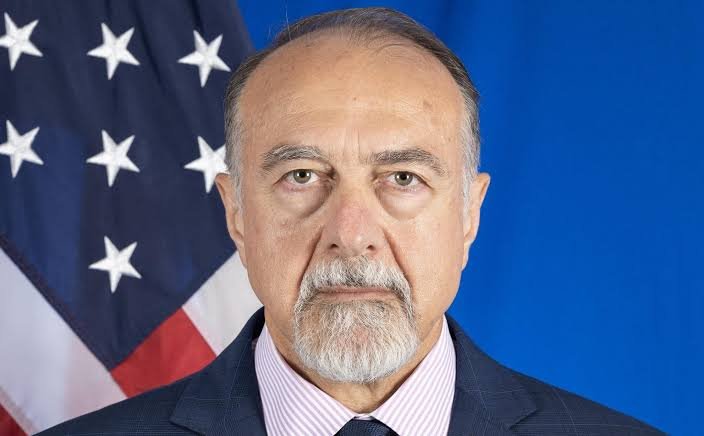
In his recent congressional testimony, Chargé d’Affaires Henry T. Wooster asserted that the United States’ primary objective in Haiti is “baseline stability”. He heavily emphasized the deployment of the UN-authorized Gang Suppression Force, the strengthening of the Haitian National Police, and even praised the involvement of a “U.S. private military contractor” employed by the Haitian government. While restoring order and protecting civilians from horrific violence is undeniably urgent—and Haiti desperately needs a well-equipped, functional police force and military to counter the immediate physical threat—outsourcing security treats the symptom rather than the disease. Introducing Private Military Companies like Erik Prince’s own merely throws fuel on the fire. By their very nature, profit-driven, non-Haitian armed forces have a vested financial interest in maintaining, rather than permanently eliminating, the violence that justifies their contracts.
The political and economic system in Haiti is, frankly, gangrenous. For decades, the very figures entrusted with governing the country have colluded with criminal elements to consolidate power, eliminate rivals, and protect private interests. Politicians and elites have actively utilized these armed groups to intimidate opponents, effectively bankrolling the terrorism that currently threatens the state’s survival. The gangs thrive because corrupt systems allow them to operate with impunity, creating a dangerous symbiosis between white-collar elites and street-level violence. Simply confronting these gangs with foreign forces or mercenaries will not secure the nation’s future if the corrupt actors pulling the strings remain untouched and the state continues to be undermined by systemic abuse.
This need for systemic reform is even more critical now. With the recent expiration of the Transitional Presidential Council’s mandate, the country is exceptionally fragile, operating under a government effectively run by a singular figure, Prime Minister Alix Didier Fils-Aimé. While Wooster praises him as an “indispensable partner”, concentrating absolute power in the hands of one individual—especially one with known ties to criminal figures like Nenel Cassy—without robust systems of checks and balances is a recipe for further abuse. True stability requires clean, democratic institutions supported by individuals with uncompromising integrity. Until Haiti’s governance transitions away from a predatory political culture and establishes genuine accountability, security interventions will remain a temporary fix on a fundamentally broken foundation.